

The Nigerian flooring sector, is a vibrant and rapidly evolving part of the broader construction and real estate industry, fueled by the country’s explosive urbanization, population growth over 220 million and rising, and expanding middle class. Lagos, as the commercial hub, remains the epicenter where high-rises, residential estates, offices, hotels, and retail spaces drive massive demand for durable, affordable, and aesthetically appealing flooring solutions.
Market Overview and Growth Trends
Nigeria’s flooring market (including tiles, vinyl, laminates, hardwood, carpets, and other coverings benefits from the larger construction boom. The overall construction sector is projected to grow robustly, with estimates showing it reaching around NGN 25.72 trillion in 2025. Growing 8% annually in recent forecasts and potentially expanding to NGN 35.38 trillion by 2029 at a CAGR of 6.4%. This directly translates to surging flooring demand, as new builds, renovations, and infrastructure projects require flooring materials.
Specific to flooring:
Earlier projections (around 2020-2026) estimated the Nigeria flooring market reaching USD 1.7 billion by 2026 at a CAGR of 6.5%.
More recent Africa-wide insights place Nigeria as a key player in the continent’s flooring materials segment, with strong contributions from urbanization and real estate.
In the broader Middle East & Africa region, flooring materials were valued at USD 23.46 billion in 2024, heading toward USD 37.96 billion by 2032, with Nigeria benefiting from sub-Saharan trends.
Sub-segments like Luxury Vinyl Tiles (LVT) show high potential, with Nigeria’s LVT market projected at a CAGR of ~10.8% in some regional analyses.
The sector remains dominated by tiles (ceramic, porcelain, vitrified) due to their affordability, durability in humid/tropical conditions, and cultural preference in Nigerian homes and commercial spaces. Imports play a big role, but local production (e.g., from companies tied to cement giants like Dangote) is growing to reduce reliance on foreign supplies.
Key Drivers
Rapid Urbanization— Lagos and other cities like Abuja and Port Harcourt see massive inward migration, boosting residential and commercial construction. Nigeria faces a housing deficit of 28 million units, needing 900,000 new homes annually each requiring flooring.
Booming Real Estate and Infrastructure Government initiatives (affordable housing programs, road/bridge projects, energy expansions) and private developments (malls, offices, hotels) fuel demand.
Rising Middle Class and Consumer Preferences. Growing disposable incomes push demand for premium, modern options like waterproof vinyl, SPC (stone plastic composite), laminates, and engineered hardwood—beyond basic concrete or cheap tiles.
Renovations and Commercial Growth Older buildings get upgrades, while hospitality, retail, and industrial spaces prioritize durable, easy-to-maintain floors.
Popular Flooring Types in Nigeria
Ceramic/Porcelain Tiles Still the market leader for affordability and availability; widely used in homes, kitchens, and bathrooms.
Vinyl and Luxury Vinyl Tiles (LVT/SPC) Fast-growing due to water resistance, ease of installation, and wood/tile-look designs ideal for Lagos’ humidity and flood-prone areas.
Laminate Flooring Popular for cost-effective “wood” looks in residential settings.
Hardwood Premium choice (e.g., Iroko, Mahogany, Apa) for luxury homes and offices, though less common due to cost and maintenance.
Other Carpets in select commercial spaces, epoxy for industrial/garages, and emerging sustainable options.
Major Players and Companies
The market mixes importers, local distributors, and a few manufacturers:
Local/Regional specialists like Floors Nigeria, Chuvie Decor, etc
Urban Industry in Flooring: Transforming Modern Spaces from the Ground Up
Urban environments are constantly evolving—shaped by population growth, architectural innovation, and the demand for functional yet aesthetically appealing spaces. At the heart of this transformation lies an often-overlooked element: flooring. The urban flooring industry has emerged as a dynamic sector, blending design, durability, and sustainability to meet the needs of modern cities.
The Role of Flooring in Urban Development
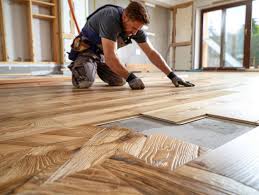
Flooring is more than just a surface to walk on; it plays a crucial role in defining the character and usability of a space. In urban settings, flooring must withstand heavy foot traffic, environmental stress, and the wear and tear of daily life. From high-rise office buildings to subway stations and residential apartments, the right flooring solution contributes to safety, comfort, and visual identity.
Key Trends Shaping the Industry
1. Sustainability and Eco-Friendly Materials
As cities push toward greener futures, the flooring industry is adapting by incorporating sustainable materials such as bamboo, cork, reclaimed wood, and recycled composites. Low-VOC (volatile organic compound) finishes and adhesives are also becoming standard, improving indoor air quality in densely populated areas.
2. Industrial Aesthetics
Urban design often embraces raw, industrial looks—think polished concrete, exposed aggregates, and matte finishes. These materials not only offer durability but also align with contemporary architectural trends that favor minimalism and authenticity.
3. Smart Flooring Technologies
Innovation is driving the integration of technology into flooring. Smart floors equipped with sensors can monitor foot traffic, detect structural issues, or even generate energy through kinetic movement. These advancements are particularly relevant in smart city initiatives.
4. Modular and Flexible Solutions
Urban spaces are frequently repurposed, requiring adaptable flooring systems. Modular tiles and interlocking planks allow for easy installation, replacement, and customization—ideal for commercial spaces that undergo frequent redesigns.
Challenges in Urban Flooring
Despite its growth, the industry faces several challenges. High installation costs, maintenance demands, and the need for skilled labor can hinder adoption. Additionally, balancing durability with design flexibility remains a constant tension, especially in public infrastructure projects.
The Future of Urban Flooring
Looking ahead, the urban flooring industry is poised for continued innovation. Advances in material science, such as self-healing surfaces and antimicrobial coatings, will further enhance functionality. As cities become smarter and more sustainable, flooring will play an increasingly integral role in supporting these goals.
Conclusion
Urban flooring is no longer a background feature—it is a critical component of modern city life. By combining resilience, sustainability, and cutting-edge design, the industry is helping shape the environments where people live, work, and connect. As urbanization continues to accelerate, the ground beneath our feet will remain a foundation for innovation.
If you want, I can tailor this post for a specific audience (e.g., construction professionals, real estate developers, or homeowners) or optimize it for SEO.
Urban Industry in Flooring: Transforming Modern Spaces from the Ground Up
Urban environments are constantly evolving—shaped by population growth, architectural innovation, and the demand for functional yet aesthetically appealing spaces. At the heart of this transformation lies an often-overlooked element: flooring. The urban flooring industry has emerged as a dynamic sector, blending design, durability, and sustainability to meet the needs of modern cities.
The Role of Flooring in Urban Development
Flooring is more than just a surface to walk on; it plays a crucial role in defining the character and usability of a space. In urban settings, flooring must withstand heavy foot traffic, environmental stress, and the wear and tear of daily life. From high-rise office buildings to subway stations and residential apartments, the right flooring solution contributes to safety, comfort, and visual identity.
Key Trends Shaping the Industry
1. Sustainability and Eco-Friendly Materials
As cities push toward greener futures, the flooring industry is adapting by incorporating sustainable materials such as bamboo, cork, reclaimed wood, and recycled composites. Low-VOC (volatile organic compound) finishes and adhesives are also becoming standard, improving indoor air quality in densely populated areas.
2. Industrial Aesthetics
Urban design often embraces raw, industrial looks—think polished concrete, exposed aggregates, and matte finishes. These materials not only offer durability but also align with contemporary architectural trends that favor minimalism and authenticity.
3. Smart Flooring Technologies
Innovation is driving the integration of technology into flooring. Smart floors equipped with sensors can monitor foot traffic, detect structural issues, or even generate energy through kinetic movement. These advancements are particularly relevant in smart city initiatives.
4. Modular and Flexible Solutions
Urban spaces are frequently repurposed, requiring adaptable flooring systems. Modular tiles and interlocking planks allow for easy installation, replacement, and customization—ideal for commercial spaces that undergo frequent redesigns.
Challenges in Urban Flooring
Despite its growth, the industry faces several challenges. High installation costs, maintenance demands, and the need for skilled labor can hinder adoption. Additionally, balancing durability with design flexibility remains a constant tension, especially in public infrastructure projects.
The Future of Urban Flooring
Looking ahead, the urban flooring industry is poised for continued innovation. Advances in material science, such as self-healing surfaces and antimicrobial coatings, will further enhance functionality. As cities become smarter and more sustainable, flooring will play an increasingly integral role in supporting these goals.
Conclusion
Urban flooring is no longer a background feature—it is a critical component of modern city life. By combining resilience, sustainability, and cutting-edge design, the industry is helping shape the environments where people live, work, and connect. As urbanization continues to accelerate, the ground beneath our feet will remain a foundation for innovation.