
Top Choices for Bathroom Flooring

When selecting flooring for a bathroom, several critical factors must be considered due to the unique environment of high moisture, humidity, and frequent foot traffic. The ideal bathroom flooring should balance performance, durability, appearance, cost, and ease of installation
Luxury Vinyl Flooring (LVT/LVP)
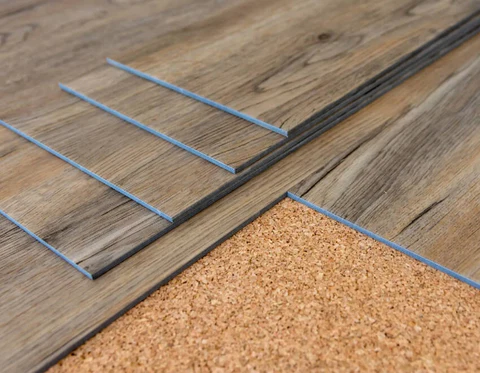
Luxury vinyl plank (LVP) and luxury vinyl tile (LVT) are increasingly popular for bathrooms due to their excellent water resistance, affordability, and ability to convincingly mimic natural materials
Pros:
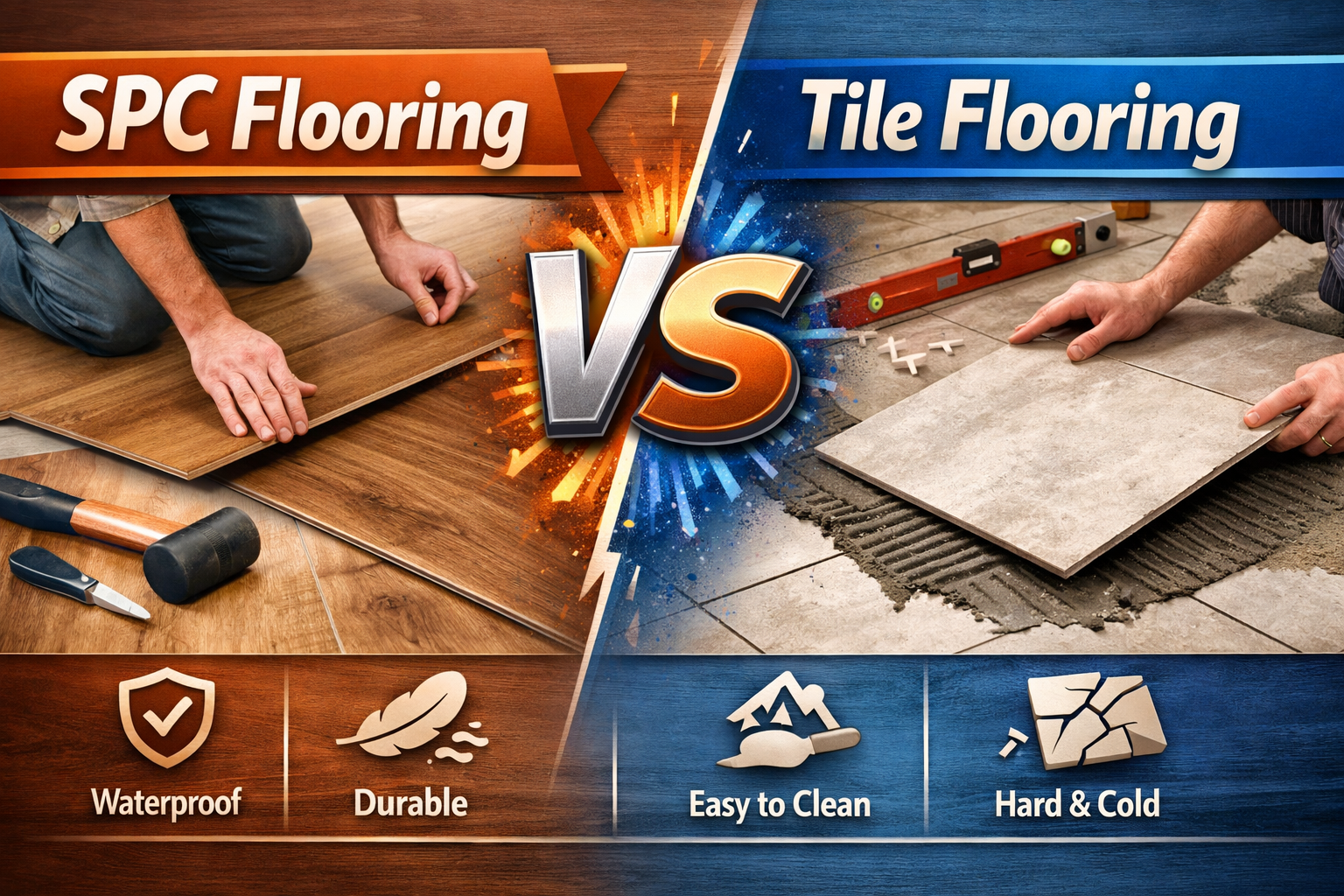
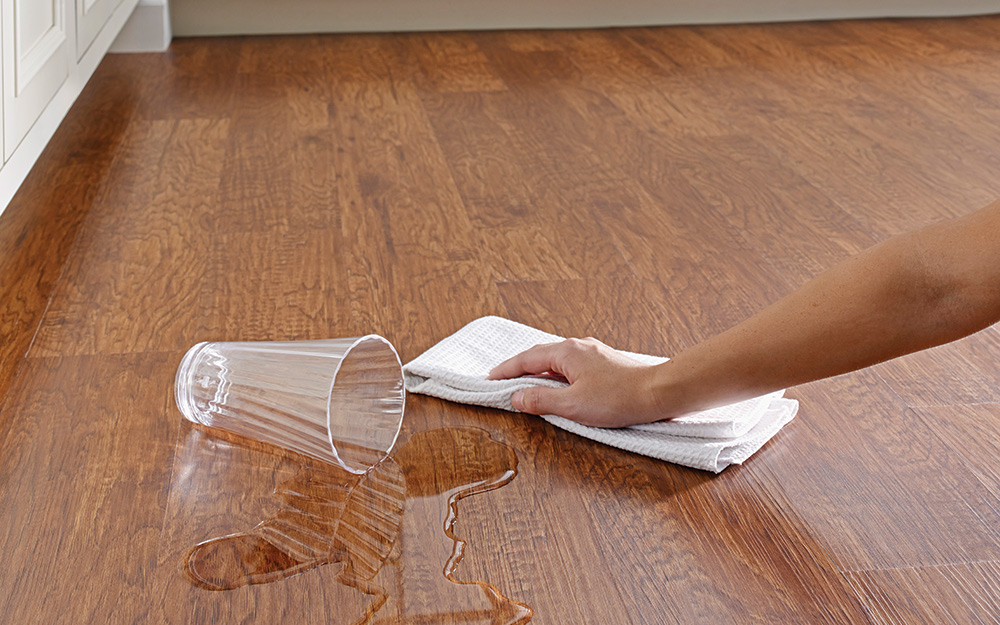
- 100% Waterproof: Many LVT/LVP products, especially those with WPC (wood plastic composite) or SPC (stone plastic composite) cores, are completely waterproof, making them highly resistant to spills and humidity.
- Cost-Effective: Vinyl is generally more budget-friendly than tile or natural stone, offering a high-end look at a fraction of the cos.
- Easy to Install: Many vinyl options feature click-lock systems, making them DIY-friendly and reducing installation costs.
- Comfort Underfoot: Vinyl is softer and warmer than tile or stone, providing a more comfortable surface, especially for barefoot mornings.
- Durable and Low Maintenance: It is resistant to dents, scratches, and stains, and is easy to clean with regular sweeping and mopping.
- Versatile Aesthetics: LVT/LVP can realistically mimic the appearance of hardwood, natural stone, or ceramic tile, offering a wide range of design possibilities
Cons:
- Resale Value: While improving, vinyl may not offer the same resale value as natural stone or high-end tile.
- Prone to Gouges: Softer vinyl can be susceptible to tearing or gouge marks from sharp objects.
Engineered Wood
Engineered wood, with its real wood veneer and plywood backing, is a better choice than solid hardwood for bathrooms due to its improved resistance to humidity].
- Pros:
- Authentic Wood Look: Provides the warmth and classic aesthetic of real wood.
- Better Moisture Resistance: More dimensionally stable than solid wood in damp conditions.
- Cons:
- Not Fully Waterproof: Still susceptible to water damage from standing water or excessive moisture. Requires immediate cleanup of spills and good ventilation.
- Maintenance: Needs care to maintain its finish and can be expensive
Flooring Options to Avoid in Bathrooms
- Wall-to-Wall Carpeting: Retains moisture, leading to mold, mildew, and odors. It is a poor choice for bathrooms.
- Solid Hardwood: Highly susceptible to water damage, warping, and rot in humid environments.
- Non-Water-Resistant Laminate: The wood chip base can expand and bubble if it comes into contact with moisture, making it unsuitable unless specifically designed as water-resistant.
Key Considerations for Choosing Bathroom Flooring
- Water Resistance: This is the most crucial factor. The flooring must withstand splashes, spills, and humidity without warping, staining, or fostering mold.
- Durability: Bathrooms experience heavy foot traffic, so the material should be able to withstand wear and tear].
- Slip Resistance: Wet floors are slippery. Textured surfaces or smaller tiles with more grout lines can reduce the risk of accidents.
- Maintenance and Cleaning: Choose a material that is easy to clean and requires minimal upkeep.
- Aesthetic Appeal: The flooring should complement the overall design of your bathroom and home.
- Budget: Costs vary significantly between materials and installation methods.
- Underlayment and Waterproofing: Proper underlayment and waterproofing membranes (like Schluter DITRA) are essential to prevent water damage and ensure longevity, especially under tile.
Ultimately, the best flooring choice depends on individual needs, budget, and style preferences, but porcelain/ceramic tile and luxury vinyl are consistently recommended for their optimal balance of performance and practicality in a bathroom environment