

Best Flooring for Kitchens and Mudrooms
Here are the best flooring options for different rooms in a home, based on the provided information:
High-traffic areas like kitchens and mudrooms face challenges from grit, dripping raincoats, chair movement, and falling objects. Wood, while aesthetically pleasing, is generally more prone to denting and wear from foot traffic.
The top choice for kitchens and mudrooms is Porcelain Tile. According to Larry Ciufo, a CR engineer, porcelain tile excels in resisting scratching and dents from light objects. It is low-maintenance, requiring only vacuuming and mopping. Porcelain tile is available in various styles, including formats that mimic wood planks. However, it is vulnerable to cracking if heavy objects, such as a full can of vegetables, are dropped on it.
These rooms are primarily challenged by moisture from splashing, dripping, and potential overflows [1]. Urine can also stain or etch some natural stone, and bleach can damage finishes like wood and laminate.
Best Flooring for Bathrooms & Laundry Rooms
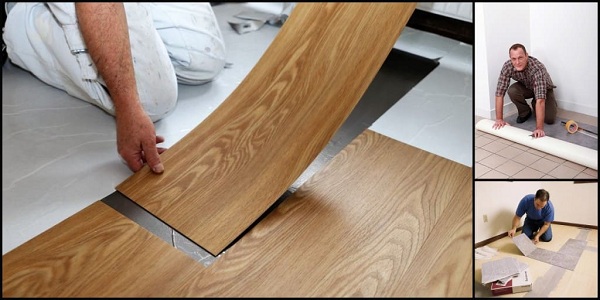
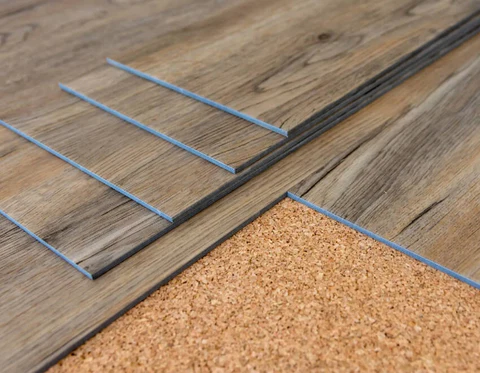
A runner-up option is Vinyl Flooring. Vinyl planks and tiles are more affordable than porcelain tile and are relatively easy to install. Modern vinyl products are more durable than older versions, though some may be susceptible to scratching. Joan Slaughterbeck, founder of Slaughterbeck Floors, notes that luxury vinyl planks can be mistaken for real wood. It is recommended to use felt bumpers on furniture and keep extra planks for potential replacements. Vinyl flooring is also resistant to stains and water damage.
The top choice for bathrooms and laundry rooms is Porcelain Tile Flooring. It holds up well in wet environments. Porcelain allows for barrier-free showers where the floor extends seamlessly. To reduce slipperiness, a textured product is recommended over a highly polished surface. Porcelain tile is durable, water-resistant, and easy to maintain.
Best Flooring for Dining, Living, and Family Rooms
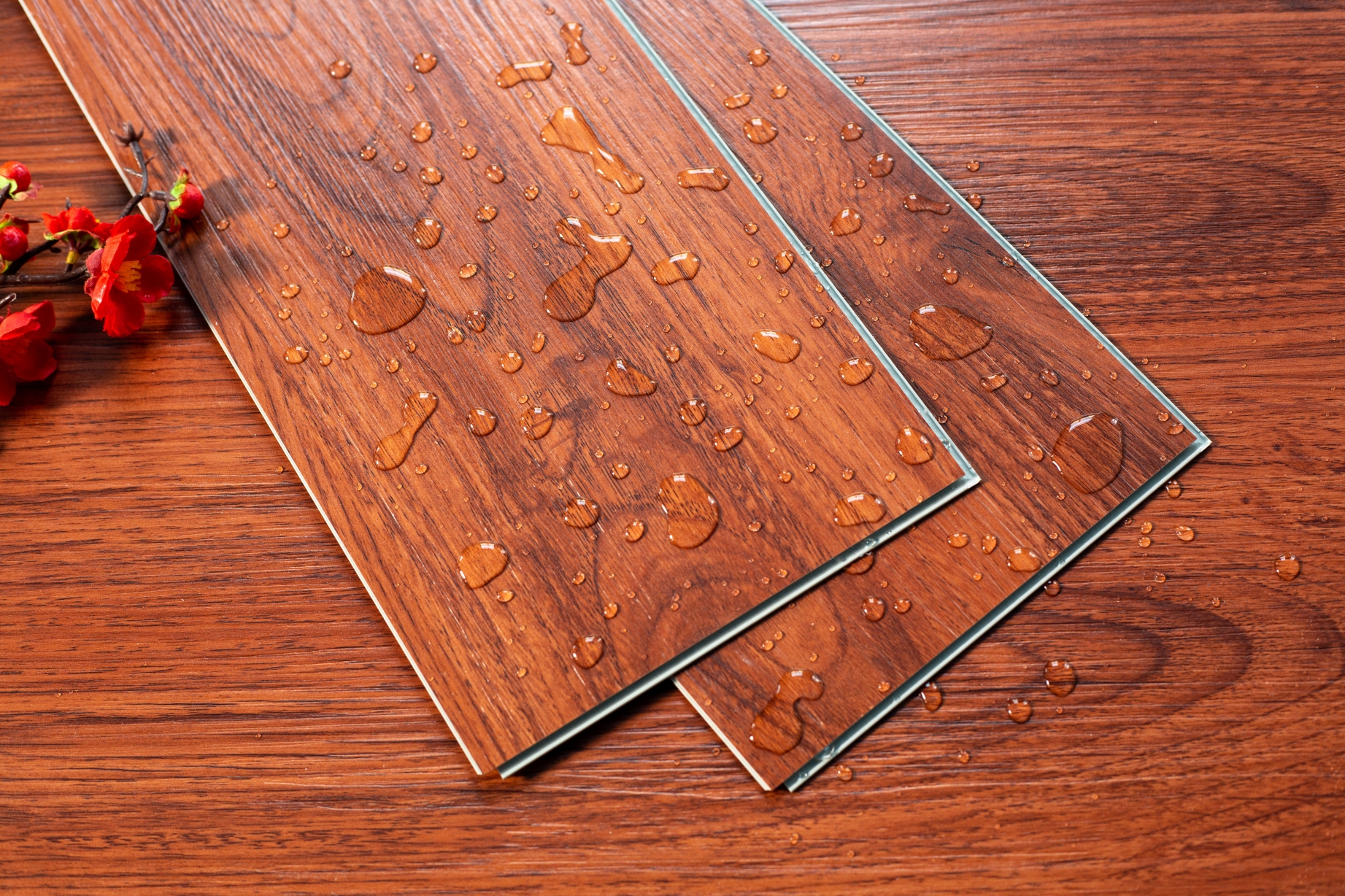
A runner-up is Vinyl Flooring [1]. Vinyl is a less expensive alternative to porcelain tile. All tested vinyl tiles and planks show excellent resistance to water spills and flooding. Luxury vinyl tiles and planks can realistically imitate stone and wood, respectively, and can be laid in various patterns. Vinyl is durable, resistant to stains and water damage, affordable, and easy to maintain.
These common areas are subject to damage from furniture, pets, and toys, but real wood is often preferred for its warmth, feel, and ability to add value to a home.
The top choice is Solid Wood Flooring [1]. This includes both prefinished and unfinished wood. Prefinished planks are often less expensive, easier to install without dust or fumes, and have tougher factory-applied finishes compared to site-applied finishes. Hardwood floors add warmth, elegance, and character, are durable, long-lasting, can withstand heavy foot traffic, increase resale value, are easy to maintain, allergen-free, and can be refinished multiple times. Drawbacks include being expensive, susceptible to water damage, prone to scratches and dents, and potentially noisy. Refinishing is time-consuming and costly.
Best Flooring for Enclosed Porches and Sunrooms
A runner-up is Engineered Wood Flooring. Engineered wood has a thin layer of real wood over a stable substrate like plywood. It is generally less expensive than solid wood. Engineered wood is more moisture resistant and less prone to scratches and dents than solid hardwood. It can often be installed over concrete subfloors and sometimes over existing floors. Engineered wood is attractive and hypoallergenic. However, it has limited refinishing capabilities and a shorter lifespan than solid wood. The quality can vary, and it can be damaged by prolonged moisture.
These rooms can be exposed to intense sunlight, rain, and potentially freeze-thaw cycles if not fully heated. Concrete subfloors are also common, limiting nailing options.
The top choice is Porcelain Tile Flooring. This durable material can withstand the conditions in these rooms. Porcelain tiles are available in various looks, including faux wood, stone, and handmade ceramic styles. For porches not fully protected from the elements, tile rated for outdoor use in the specific climate should be chosen. Porcelain tile is durable, water-resistant, and easy to maintain.
Best Flooring for Basements
Runners-up include Engineered Wood and Vinyl Flooring. If the porch is weatherproofed and heated, engineered wood can provide a warm look and can usually be installed over concrete. However, for porches exposed to weather, an exterior decking product is more suitable. Manufacturer specifications should be checked for installation over concrete, potentially requiring a vapor barrier or underlayment. Vinyl, particularly plank styles mimicking wood, is an attractive alternative that performs well with moisture and UV rays from sunlight. Engineered wood is more moisture resistant than solid wood and can be installed over concrete. Vinyl is durable, resistant to stains and water damage, and available in various styles.
Basements primarily face challenges from moisture wicking through the concrete subfloor or from flooding. Porous materials can absorb water, expand, and buckle. Flooring must be rated for installation over below-grade concrete and often needs to be installed as a “floating floor”.
The top choice for basements is Vinyl Flooring. All tested vinyl products are completely waterproof and handle water submergence well, making them ideal for areas with persistent moisture or potential flooding. Vinyl does not contain wood fibers, which helps it stand up to these conditions. Unlike porcelain tile, which can feel uncomfortably cold in basements, vinyl is a clear winner. It offers a wide range of styles. Vinyl is durable, resistant to stains and water damage, affordable, and easy to maintain.
Best Flooring for Bedrooms
A runner-up is Laminate Flooring. Laminate is an affordable option, less expensive than vinyl. It is made of dense fiberboard with an image layer sealed under plastic. Laminate is easy to install. It is suitable for basements that do not have leaks or persistent moisture. Wide planks can simulate the look of real wood. Placing it over sound-dampening foam can reduce the hollow sound. Laminate is cost-effective, versatile in design, easy to install, resistant to scratches, stains, and fading, hypoallergenic, and low maintenance. However, it cannot be refinished or repaired and is susceptible to water damage.
Bedrooms are personal spaces for rest and relaxation, typically low-traffic areas where comfort for bare feet and design preferences are key considerations. Many options are possible, including carpet, hardwood, engineered wood, vinyl, laminate, and cork.
Flooring that is comfortable for bare feet and available in designs matching interior style preferences is considered best. Wood, vinyl, laminate, and carpet all meet these criteria to varying degrees.
Wood flooring is timeless, beautiful, and versatile, available in various plank sizes, stains, textures, patterns, and shades to complement almost any decor or style. With good insulation, wood flooring feels warm underfoot, which is important in a bedroom. Some wood flooring is compatible with underfloor heating. Area rugs can add additional softness and warmth. Hardwood floors add warmth, elegance, and character.
Vinyl flooring offers affordability and extensive design choices, including wood, tile, stone, and graphic effects, allowing it to match style preferences and decor. Wood-look vinyl can convincingly recreate the look and feel of wood. Vinyl is low maintenance, easy to clean, and some products incorporate sound absorption technology. Vinyl is durable, resistant to stains and water damage, affordable, easy to maintain, and comfortable to walk on.
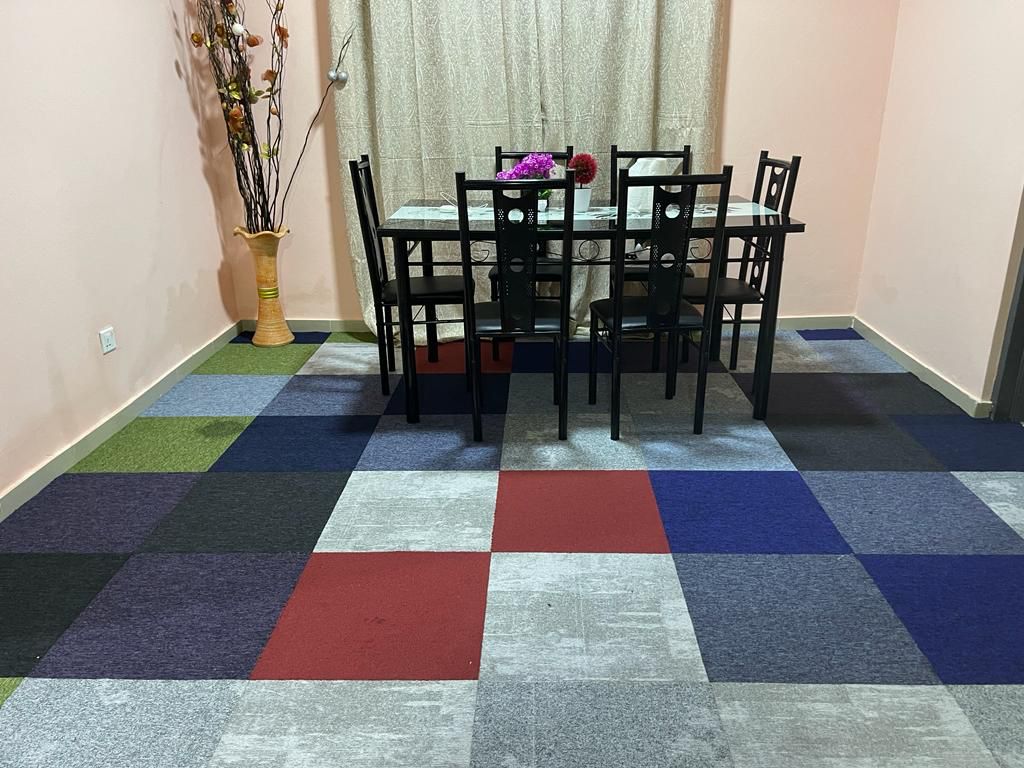
Carpet is a common option. It is comfortable, provides warmth underfoot, offers noise reduction, is soft, and provides a non-slip surface. It is also versatile and cost-effective.
Laminate flooring is an attractive and affordable alternative to hardwood, effectively mimicking the look of natural materials like wood. It is more economical than hardwood. Laminate is easy to maintain, highly resistant, nice looking, and long lasting. However, it is known for being quite hard underfoot compared to vinyl, which might be a disadvantage if comfort is a key criterion. Laminate is cost-effective, versatile in design, easily installed, resistant to scratches, stains, and fading, hypoallergenic, and low maintenance .